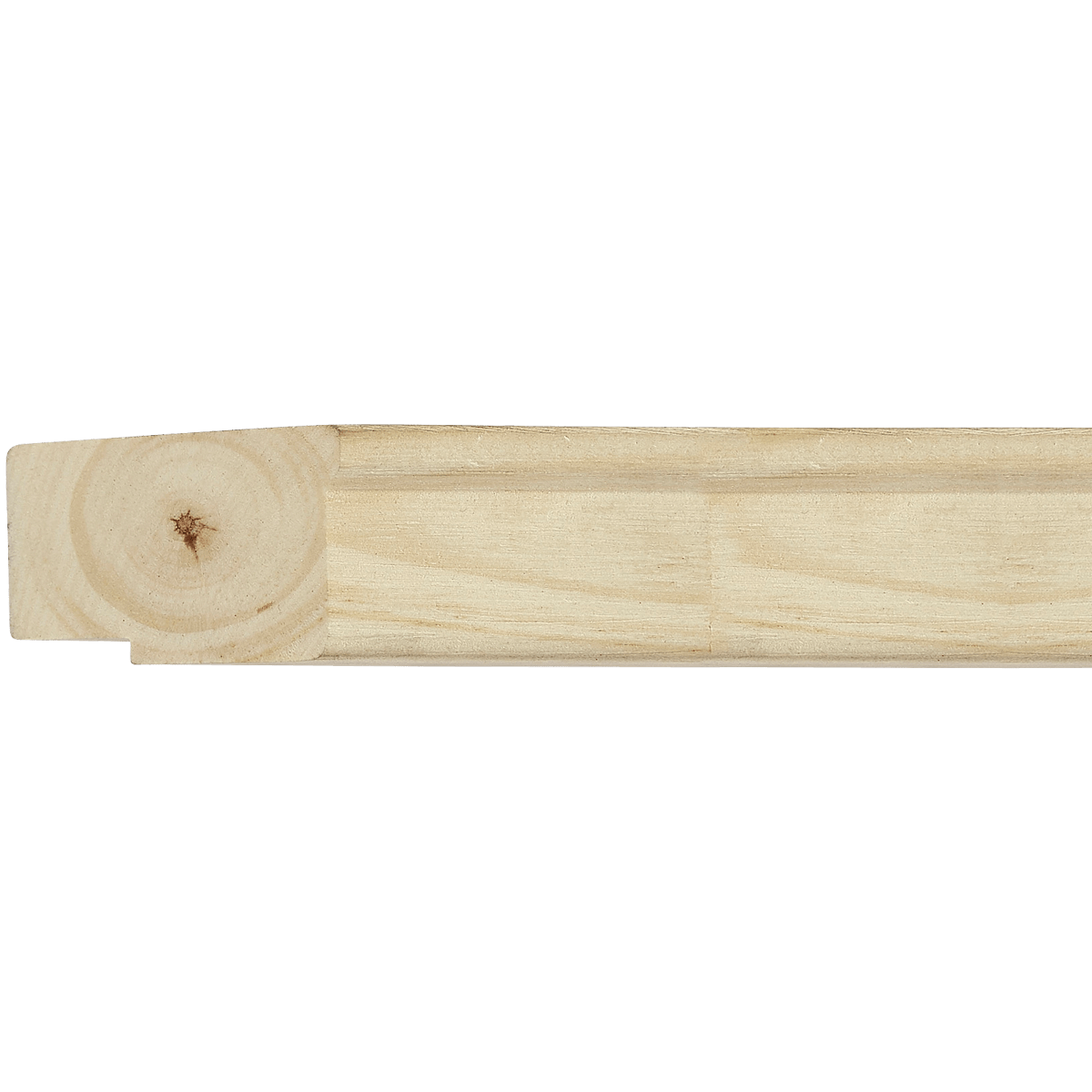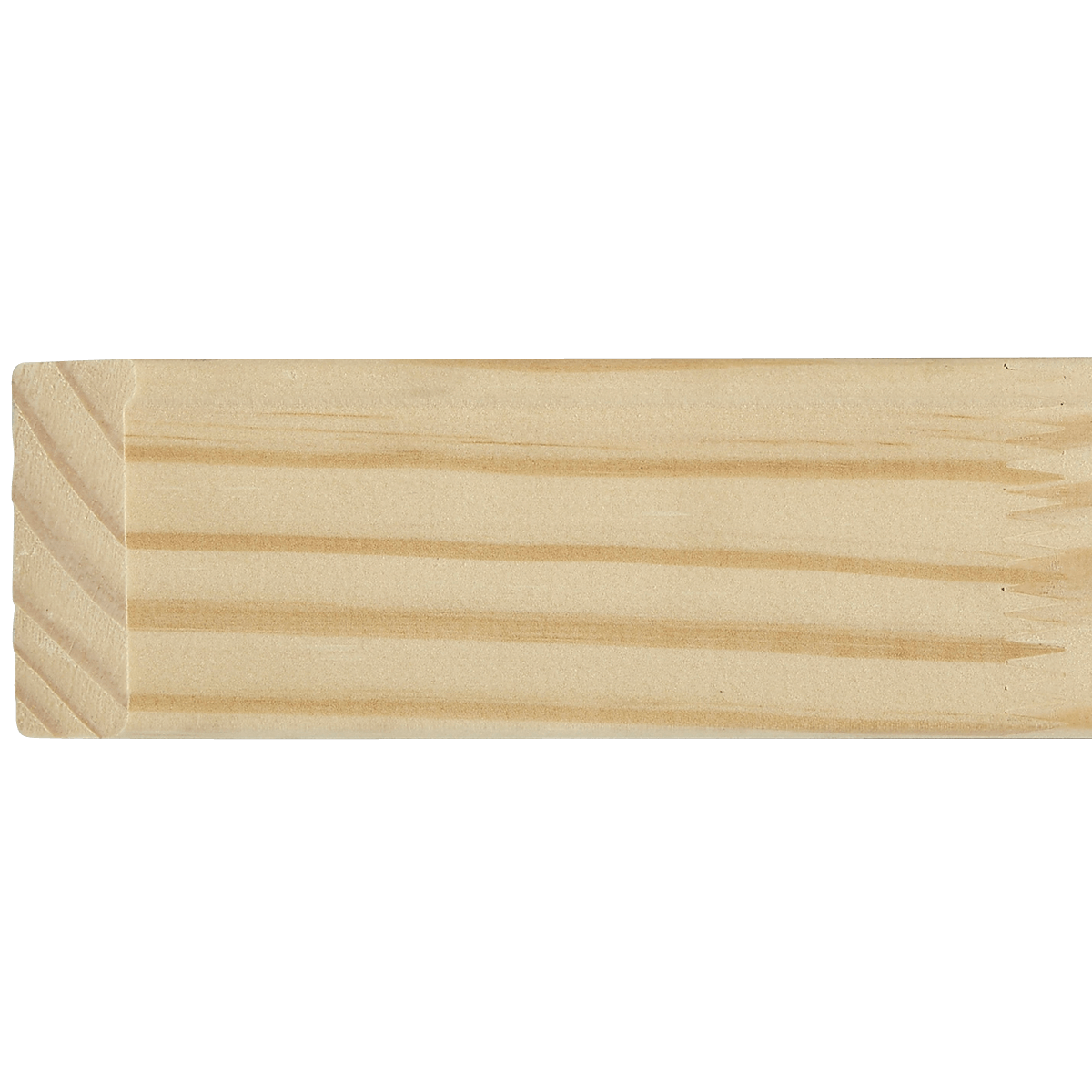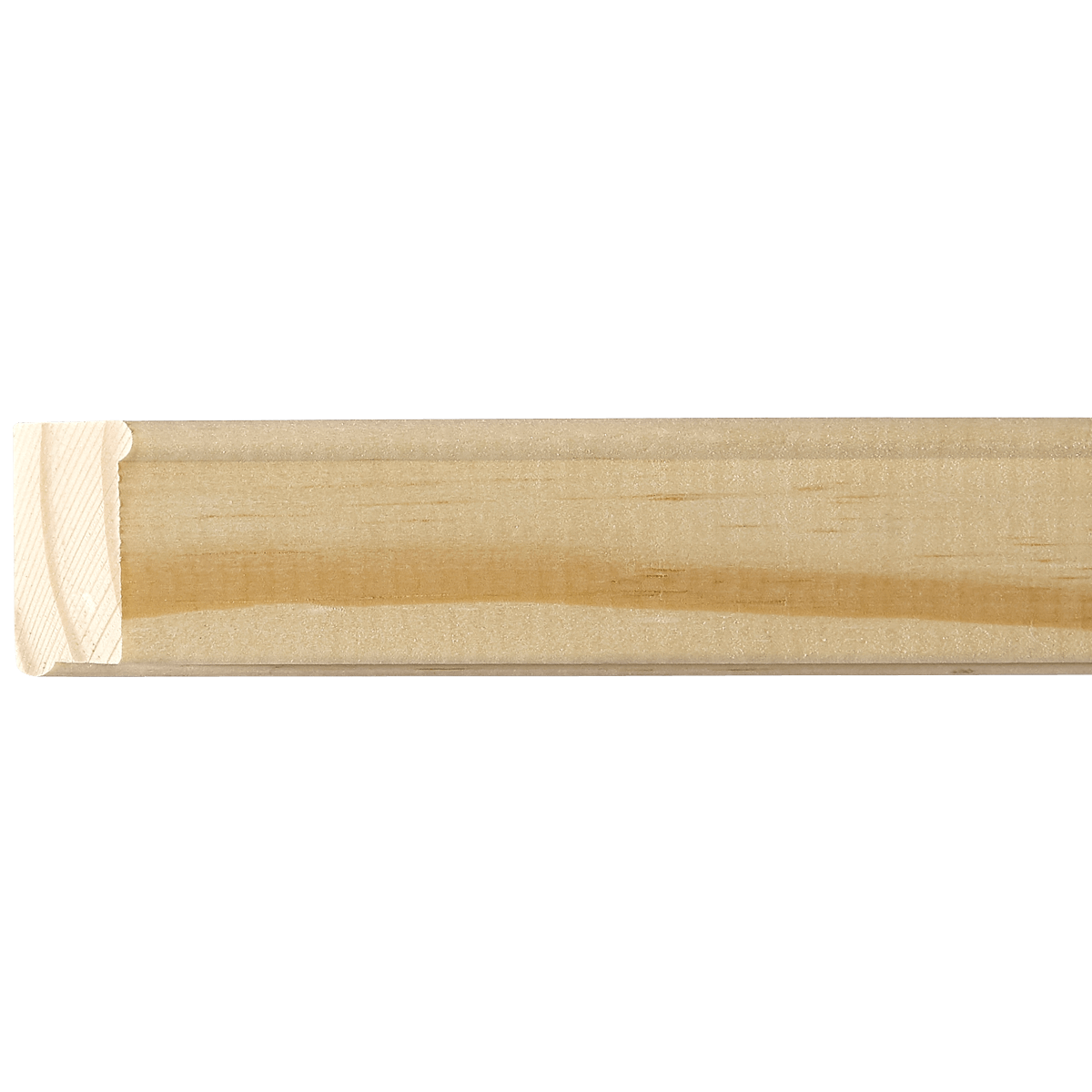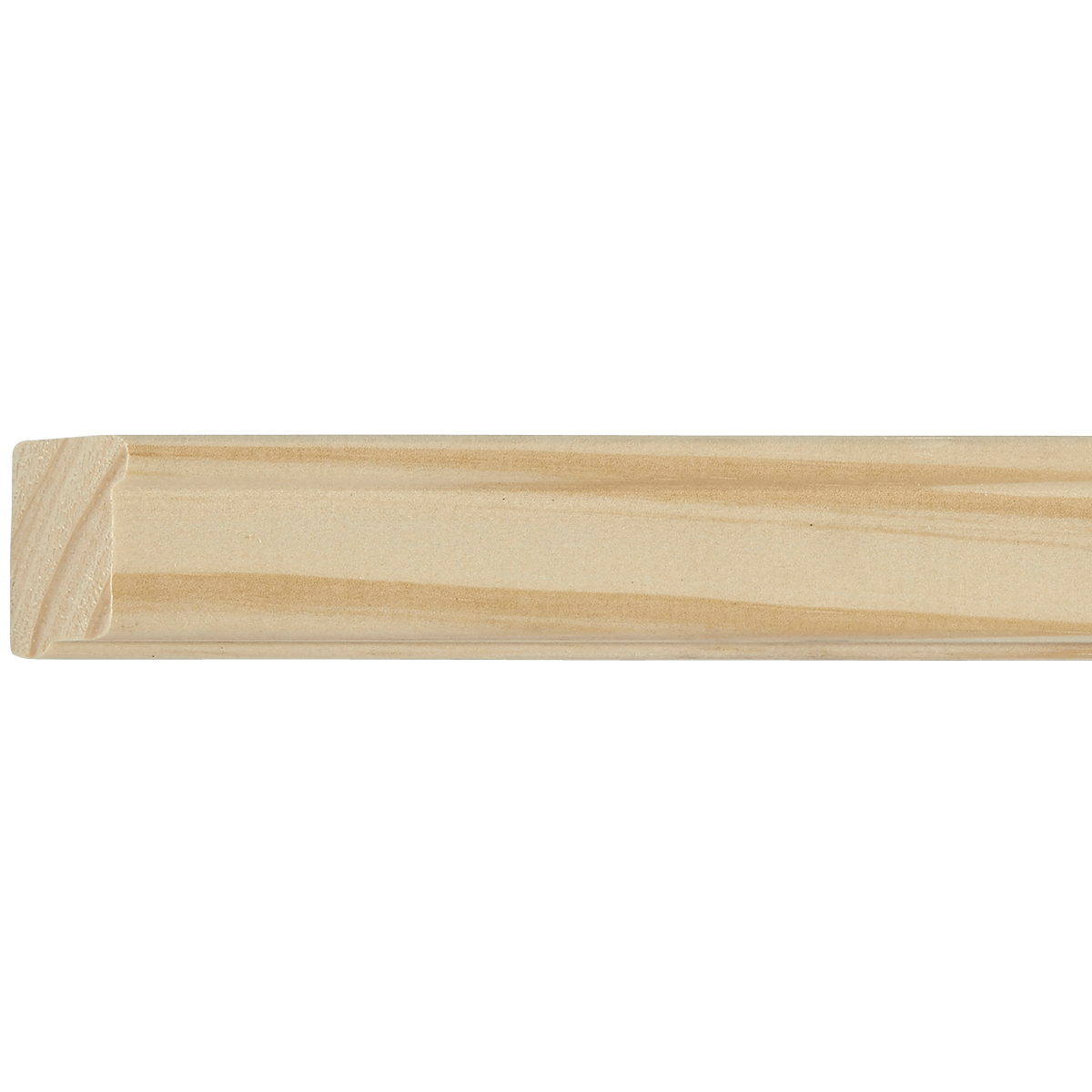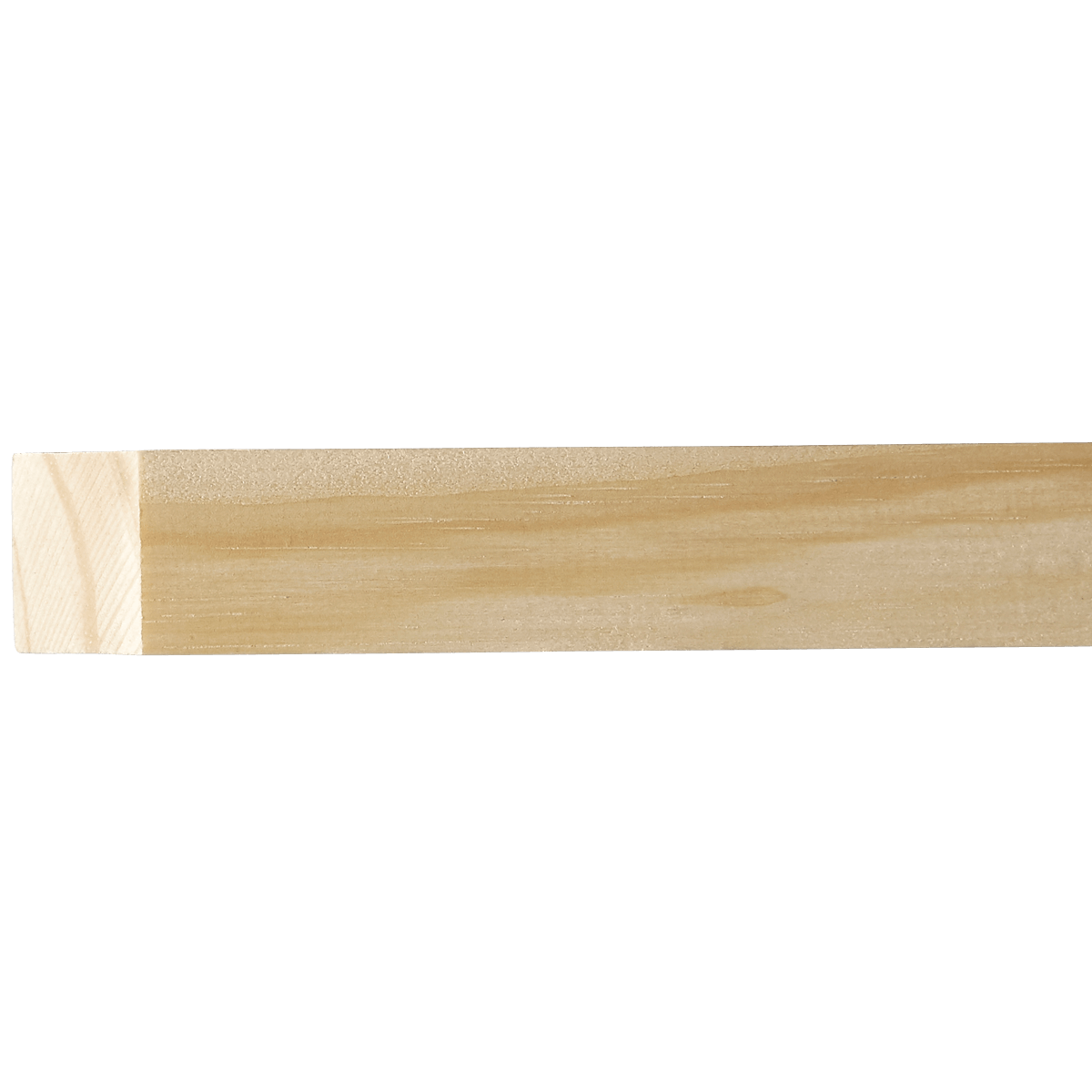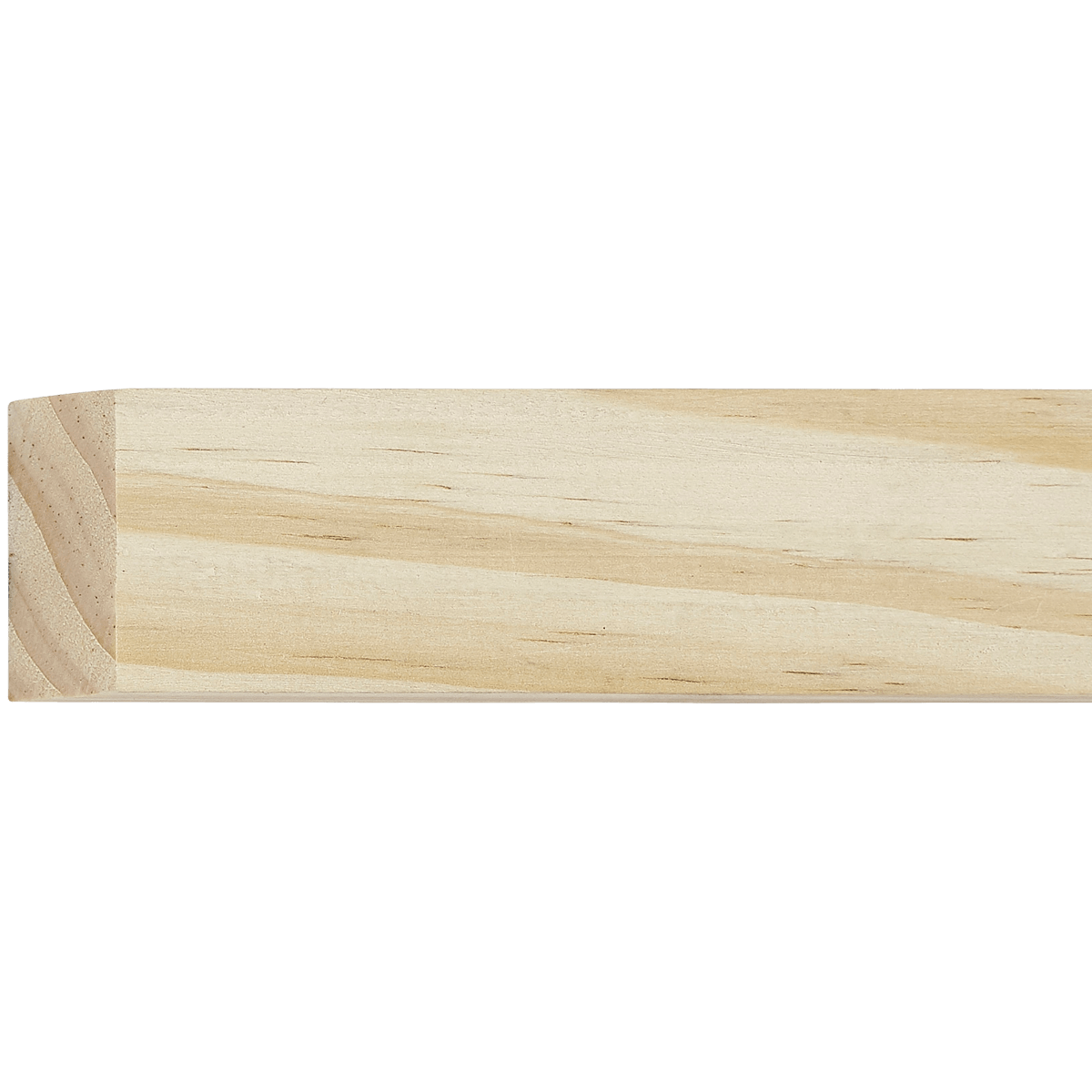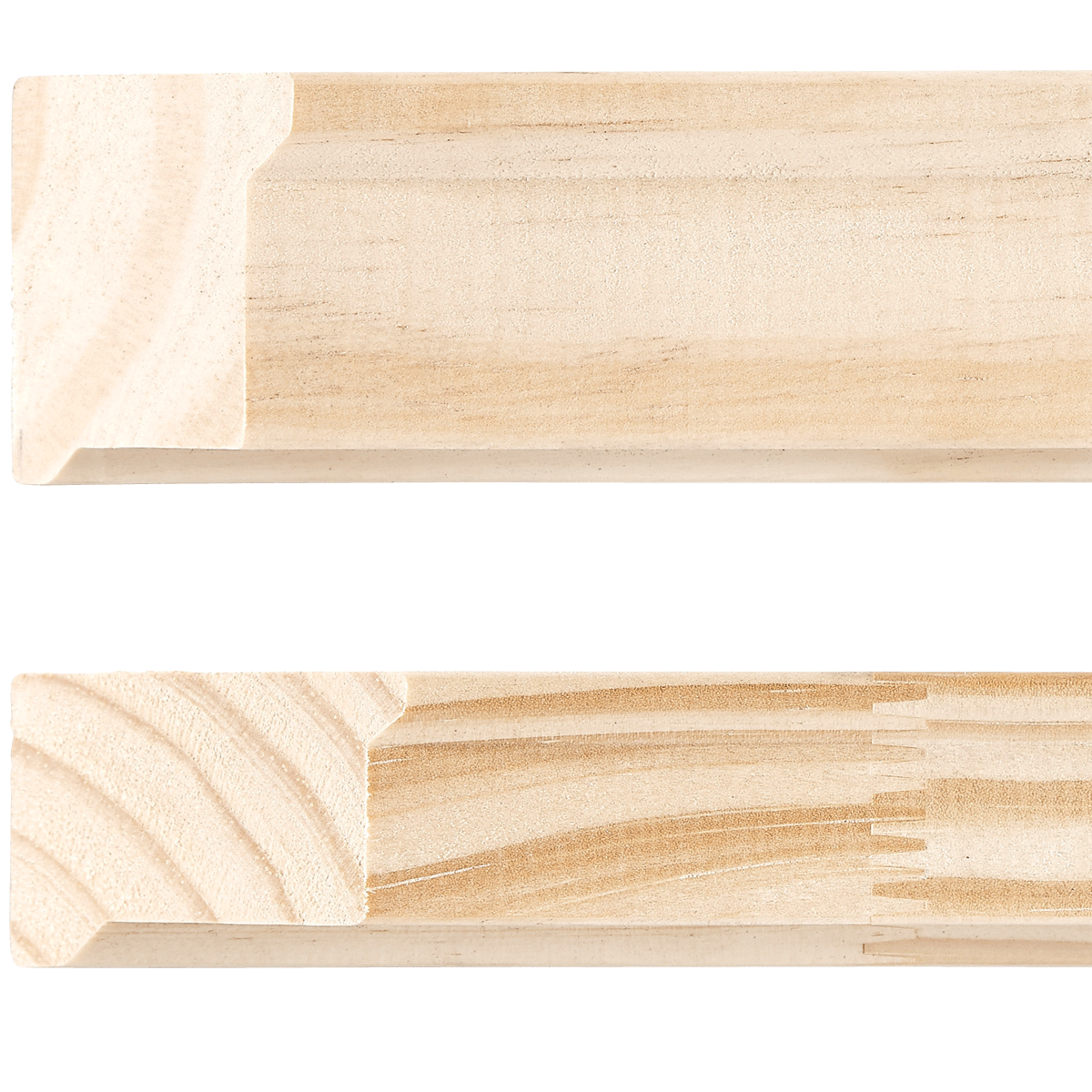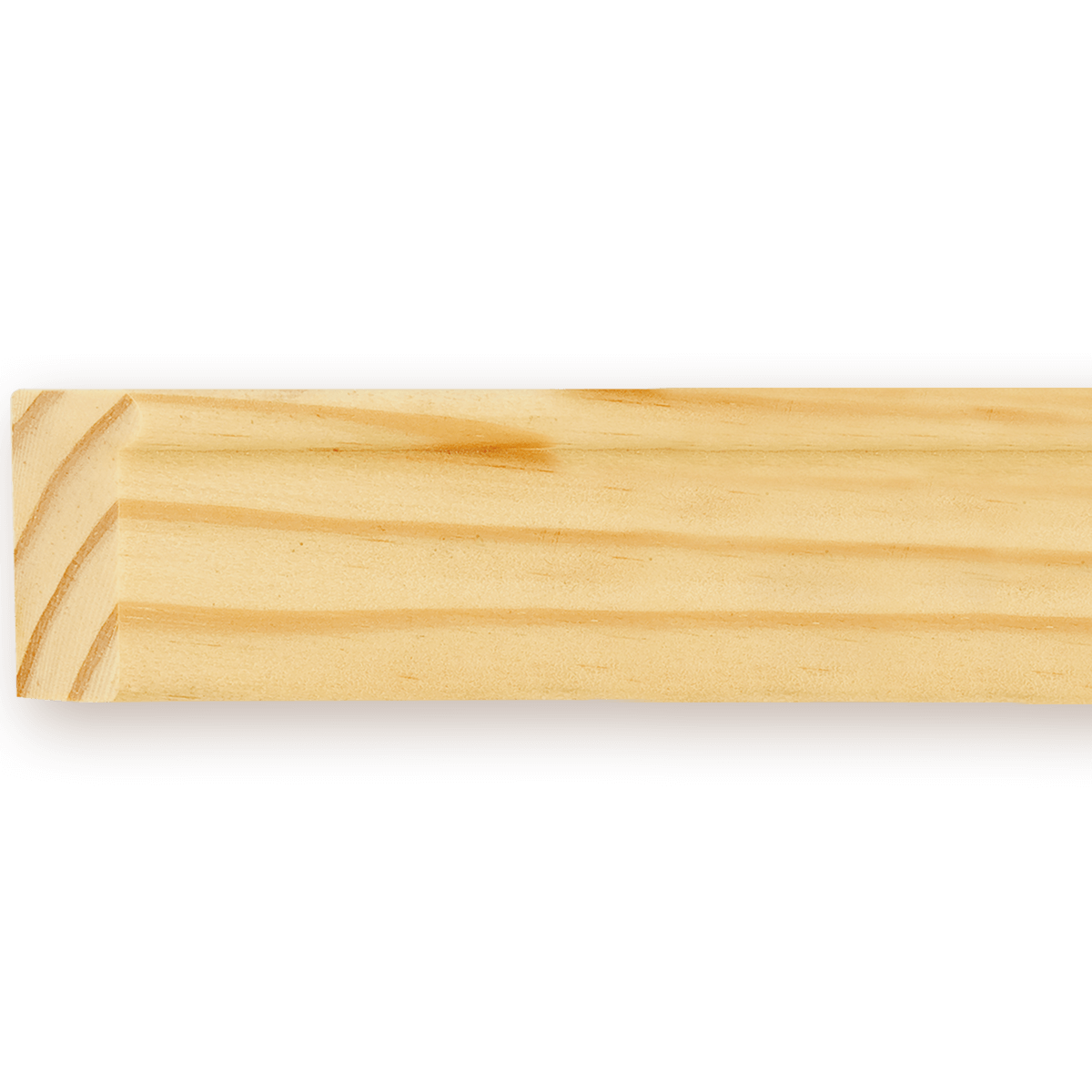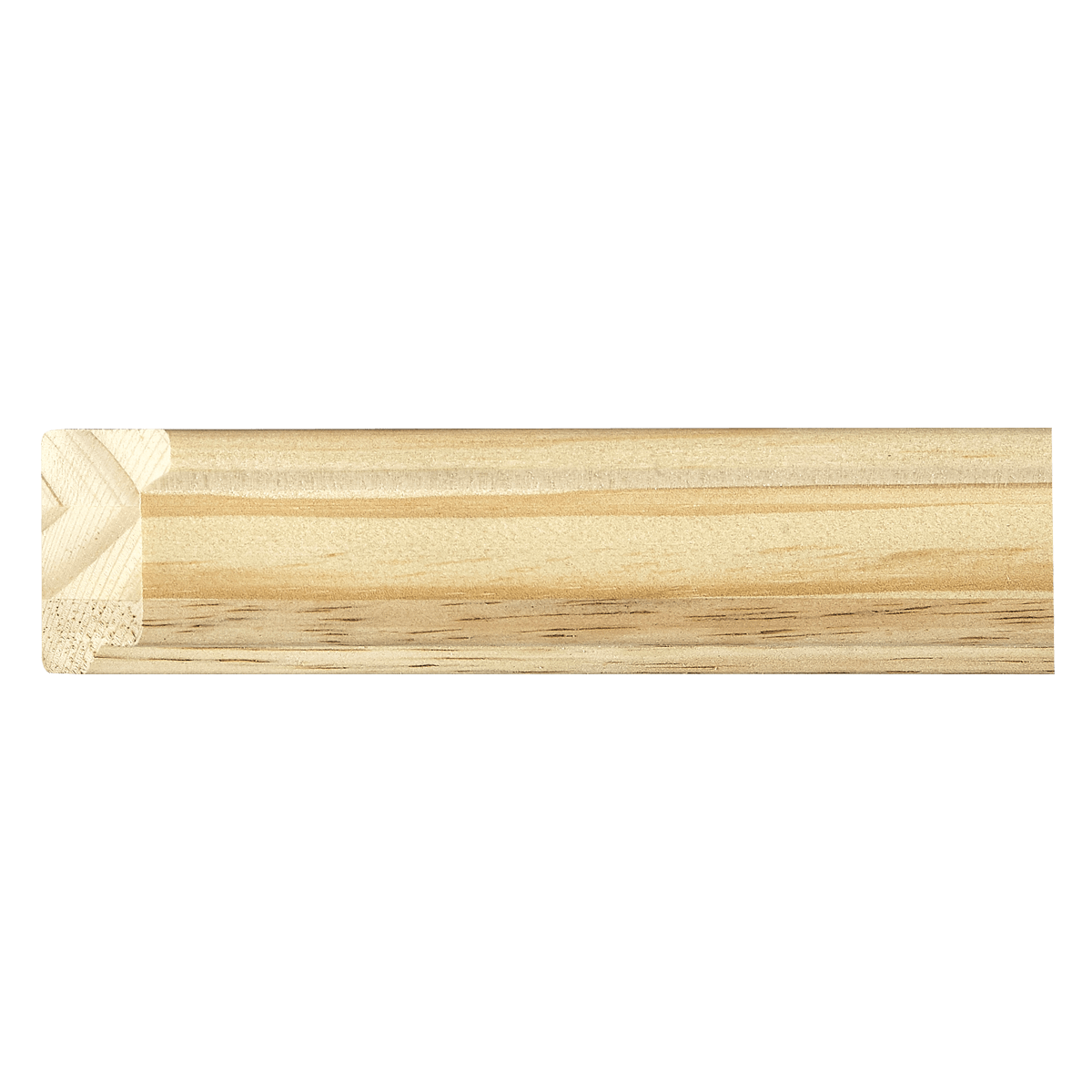
Stretcher Bar
Natural Wood Stretcher Bar
EZSB9989
Contact us for pricing.
Specifications
- Frame number
- EZSB9989
- Category
- Stretcher Bar
- Material
- Wood
- Color
- Natural
- Width
- 1 1/2"
- Height
- 13/16"
- Rabbet
- N/A
- Feet per box
- 456
Easy Signs Inc. · Oakland Park, Florida
Visit our showroomThe perfect pairing
Artwork for EZSB9989
1. Canvas Types
When choosing canvas for the EZSB9989 Stretcher Bar, consider the following options:
-
Cotton Canvas: This is the most common type of canvas for artists. A medium to heavy weight cotton canvas (8 oz. to 12 oz.) provides a nice balance of texture and flexibility that suits a variety of painting styles.
-
Linen Canvas: For higher-end or professional work, linen canvas is an excellent choice due to its durability and fine texture. Use a medium to heavy weight (upwards of 12 oz.), as it holds paint beautifully and offers a premium surface for detail.
-
Polyester Canvas: While less traditional, polyester canvas offers a smooth and consistent surface. It can also be more resistant to environmental changes, making it suitable for experimental techniques. Opt for a mid-weight version (around 10 oz.) for flexibility.
-
Weight and Texture: Since the stretcher bar is 1 1/2" wide, it can handle heavier canvas types well, allowing for a firmer stretch with minimal sagging. Textured canvases can also work effectively, provided they are of compatible weight.
2. Painting Mediums
The stretcher bar is versatile and can accommodate various painting mediums:
-
Oil Paint: This is a classic pairing. Ensure the canvas is properly primed with a suitable oil-based primer to prevent the oil from deteriorating the fibers.
-
Acrylic Paint: Acrylics pair well with almost any canvas, and whether you use a gesso-primed canvas or an acrylic ground, you'll find outstanding adhesion.
-
Mixed Media: Ideal for artists looking to incorporate various materials (like pastels, collage elements, and more), this stretcher can support the weight and technique without compromise.
-
Watercolor on Canvas: While not as common, using treated canvas that has a specific watercolor primer can allow for watercolor applications.
3. Canvas Preparation
Proper preparation is essential for optimal painting results:
-
Priming: If using raw canvas, always apply a suitable gesso. For oil paints, consider a traditional oil primer. For acrylics, an acrylic gesso will suffice. Two to three coats are advisable, with light sanding between coats for a smooth finish.
-
Tension Testing: Before stretching, ensure your canvas is clean and wrinkle-free. Remember that pre-stretched canvases may require a light stretching after priming due to moisture absorption.
4. Stretching Techniques
Stretching canvas on the EZSB9989 bars can be done effectively by following these best practices:
-
Measure Carefully: When cutting your canvas, add a few extra inches to each side to ensure enough material to wrap securely around the bars.
-
Start at the Center: Begin stapling from the center of one side, then move to the opposite side. Secure down the middle, then work your way outwards towards the corners to ensure even tension.
-
Tighten Evenly: Pull the canvas taut as you work, ensuring uniform tension. Use canvas stretching pliers for better grip and control.
-
Corner Fold: For a clean finish, use a fold technique at the corners (either a mitered fold or a simple fold) to avoid bulk buildup.
5. Artistic Applications
These stretcher bars are best suited for:
-
Large-Scale Paintings: The width of the bars provides the necessary stability for larger canvases, making it suitable for expansive works.
-
Student Work: Affordable yet functional, these bars can be great for students or beginners learning the art of stretching canvas while developing their painting skills.
-
Professional Canvases: With proper preparation and high-quality canvas, these bars can accommodate professional-grade artwork.
6. Size Considerations
-
Canvas Size: For the EZSB9989, consider canvases that are standard sizes ranging from 24”x36” to 48”x60” for optimal balance and easy mounting.
-
Thickness: A canvas thickness of at least 8 oz. is ideal to maintain tension appropriately. Anything thicker might require additional preparation for stretching.
7. Tips
-
Care and Maintenance: Store stretcher bars in a dry, controlled environment to prevent warping. Ensure no moisture exposure occurs with the canvas.
-
Practice Tension Control: Before attempting larger stretches, practice stretching smaller pieces. This will develop your feel for the right tension levels to prevent sagging.
-
Documentation: Keep track of different stretching techniques or mediums used on each canvas, which will help refine your skills over time.
By following these comprehensive recommendations, you can confidently use the EZSB9989 Stretcher Bar for your artistic endeavors. Happy stretching!
Keep exploring