 Easy Signs Inc.
The Easy Signs journal
Giclee Printing: What Makes a Fine Art Print Archival
The word giclee describes how a print is made
Giclee printing is a high-resolution inkjet process built for fine art and photography. The file is read at full resolution and laid down in very small, precisely placed droplets, so tonal transitions stay smooth and no visible dot pattern interrupts the image. It is the process photographers and galleries reach for when a print needs to hold up beside the original.
Pigment inks are the difference that lasts
Dye inks can fade under light and shift colour over time. Pigment inks sit on the surface of the paper rather than soaking in as a dye, which is why archival prints keep their colour for decades of display. Our photo paper printing uses Epson printers with 10-colour archival pigment technology, including five shades of black. Those extra blacks are what let a shadow read as a shadow instead of a muddy grey, and let a midnight sky keep its detail.
Papers change the character of the image
The same photograph can look entirely different on two surfaces. We keep a range of fine art and photo papers so you can choose the finish rather than accept the default:
- Glossy paper for vibrant, reflective prints with maximum contrast.
- Matte paper for elegant, glare-free results in a bright room.
- Metallic paper for shimmer and depth, especially in water and sky.
- Semi-gloss paper for a balanced, versatile finish.
- Cold press paper for a textured, traditional fine art surface.
Artists often print the same edition twice — once glossy for a show, once cold press for a collector who hangs the work in a sunlit room.
Size, proofing and consistency
A giclee is only as good as the file behind it. We work from high-resolution files, size them for the paper you have chosen, and check a proof before the full run so colour and crop are settled before the edition begins. That single step prevents the two most common disappointments: a print that comes back darker than the screen, and an edge that clips an important part of the composition.
Custom sizes run from small 5″x7″ prints up to large-format work at 59.95″x120″, so a single frame on a hallway wall and a full gallery exhibition can be printed on the same machines, on the same paper, in the same colour.
Where to see the difference in person
Colour and paper texture are difficult to judge on a screen. See what we have produced in our portfolio, or bring a file you care about to our showroom at 4860 N. Dixie Hwy in Oakland Park, and we will print a proof so you can compare the finishes side by side before deciding. If you are farther away, send your image to our team and we will talk through paper and size with you.
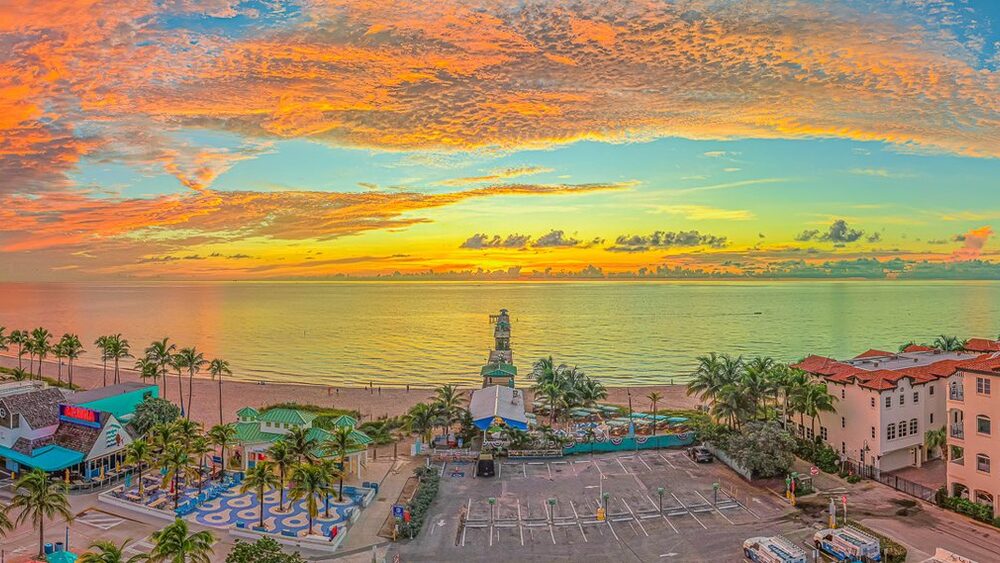
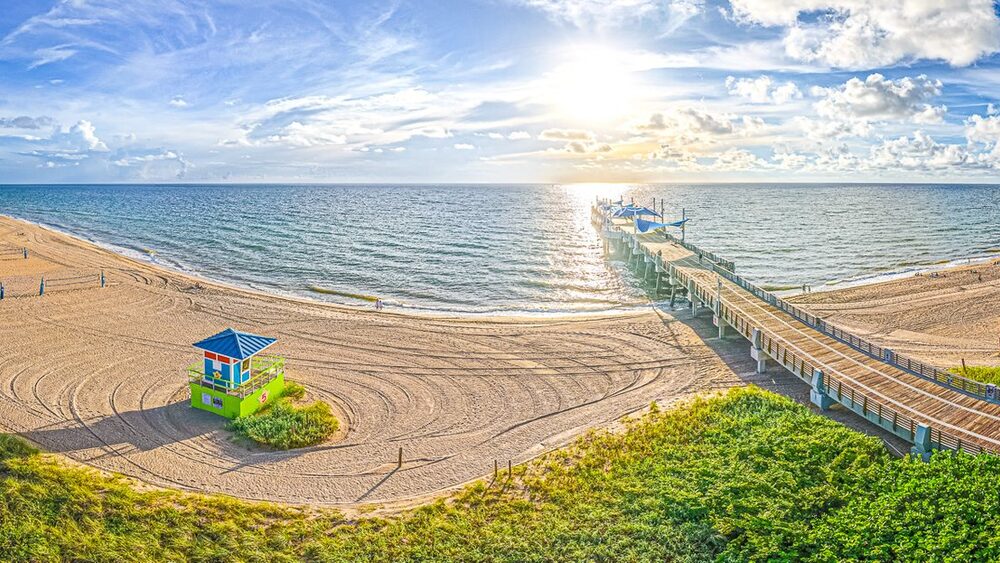
Photography by Mike Gedj.
Keep your ideas growing
More from the journal.
November 4, 2026
Custom Wall Art: Choosing a Material That Suits Your Room
Canvas, acrylic, aluminum, wood or paper: how to choose custom wall art that suits your room, your light and the way you live.
Read story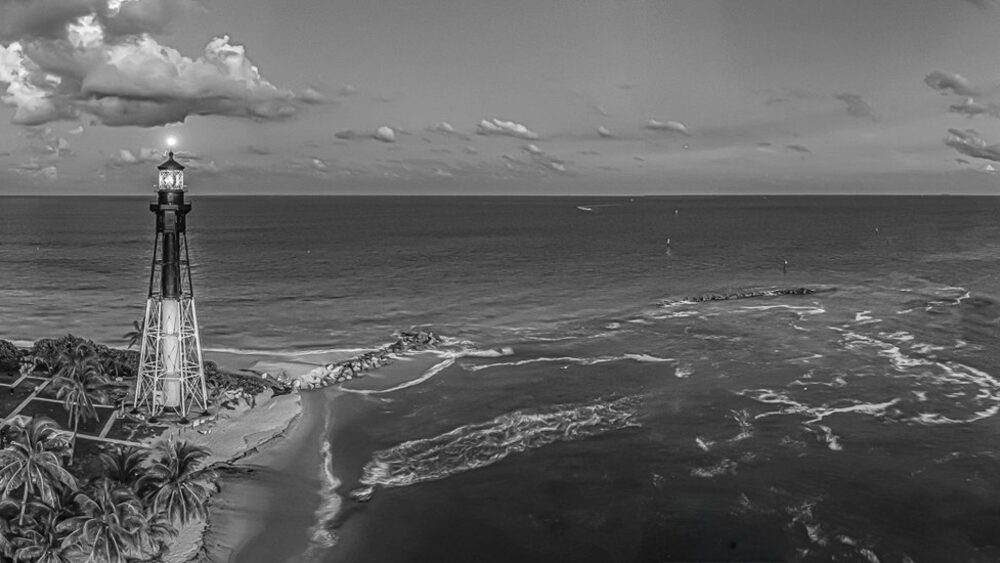
November 3, 2026
Custom Picture Framing: How to Frame a Print Properly
Mat, glazing, backing and hanging: what actually goes into custom picture framing, and how to get a print framed to last.
Read story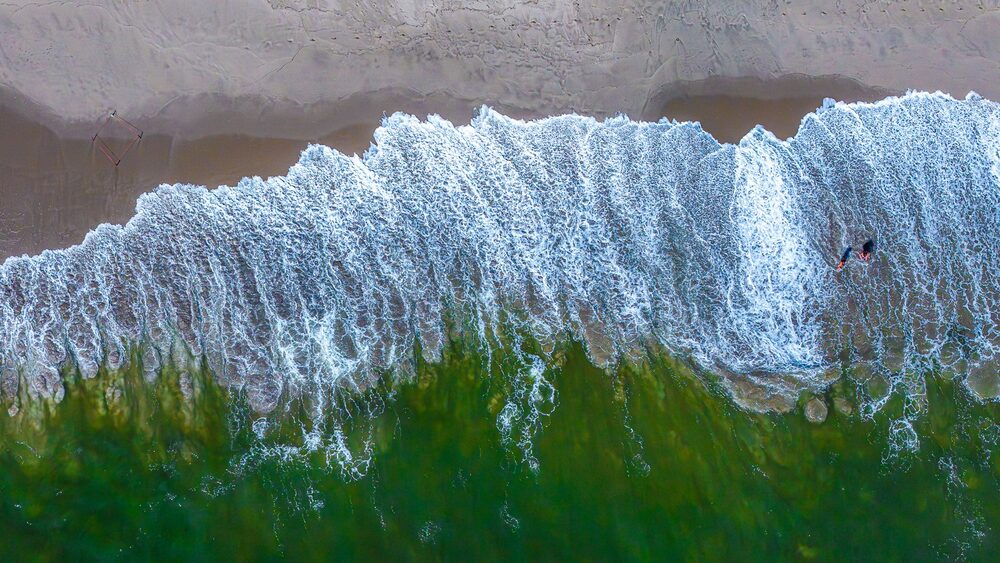
November 3, 2026
Canvas Prints: How to Choose Size, Wrap and Hanging
How to choose a canvas print: fabric, wrap, size and hanging options explained by Easy Signs Inc., printing canvas in South Florida.
Read story