 Easy Signs Inc.
The Easy Signs journal
Acrylic Prints: Why Photos Look Deeper Behind Acrylic

Light travels through the surface before it reaches the image
An acrylic print is a photograph sealed behind a clear sheet, and that sheet is what changes the way you see the picture. Light passes through the acrylic, reflects off the print and returns through it again, which compresses the tonal range slightly and lifts saturation. The result reads as depth: blacks look deeper, colours look closer to the surface, and the image seems to sit inside the panel rather than on it.
The finish decides the character
Acrylic is glossy by nature, and gloss is honest — it shows the room. That is the appeal and the limitation. In a dim or north-facing room, a glossy surface adds life. On a wall facing a window, it can become a mirror. Before we print, we ask where the piece is going and what light it will meet.
How an acrylic print is built
Our photo on acrylic work uses quarter-inch acrylic with the print sealed behind it, supported by aluminium brackets, and can be finished several ways:
- A clear acrylic border that leaves the image floating on the wall.
- A custom printed frame for a piece that needs an edge.
- A laser-cut frame with a wood backing where a traditional profile is wanted.
- Standoff mounts that hold the panel away from the wall so a shadow line forms around it.
Sizes run up to 120″x59.5″, so a single panel can carry a whole wall.
Durability is part of the appeal
Acrylic resists moisture and is simple to wipe, which is why these prints go into offices, lobbies, kitchens and bathrooms where paper would not be considered. It is also lighter and less brittle than glass of the same thickness.
Which images gain the most
Water, sky, night scenes, portraits with deep shadow and anything with strong colour gain the most from acrylic. A quiet, low-contrast image can look flat behind a glossy surface — that one is better on a matte fine art paper, cold press or a wood panel.
Decide with the piece in your hand
The difference between a screen and an acrylic panel is not reproducible online. Visit our showroom at 4860 N. Dixie Hwy, Oakland Park, and we will print a sample of your own photograph so you can tilt it in the light. Or send us the file and the wall's measurements, and we will recommend a size and a mounting style.
Photography by Mike Gedj.
Keep your ideas growing
More from the journal.
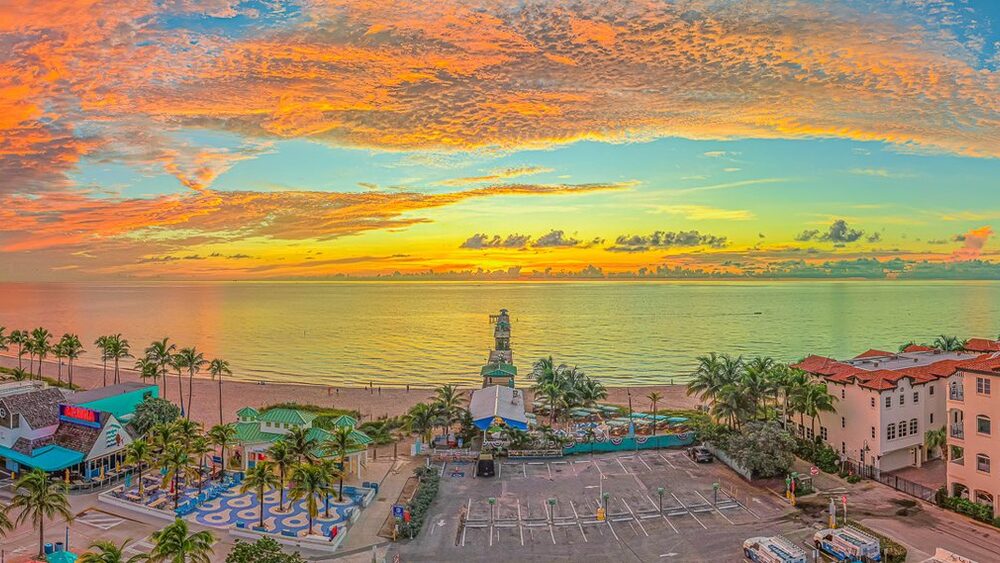
November 4, 2026
Giclee Printing: What Makes a Fine Art Print Archival
What makes a giclee print archival: pigment inks, colour depth and fine art papers, explained by Easy Signs Inc. in Oakland Park, Florida.
Read story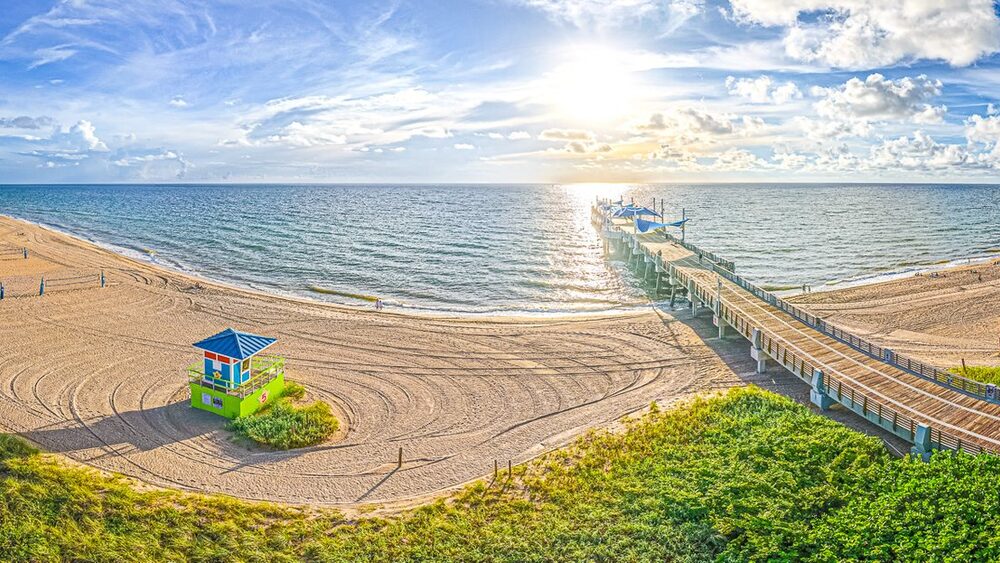
November 4, 2026
Custom Wall Art: Choosing a Material That Suits Your Room
Canvas, acrylic, aluminum, wood or paper: how to choose custom wall art that suits your room, your light and the way you live.
Read story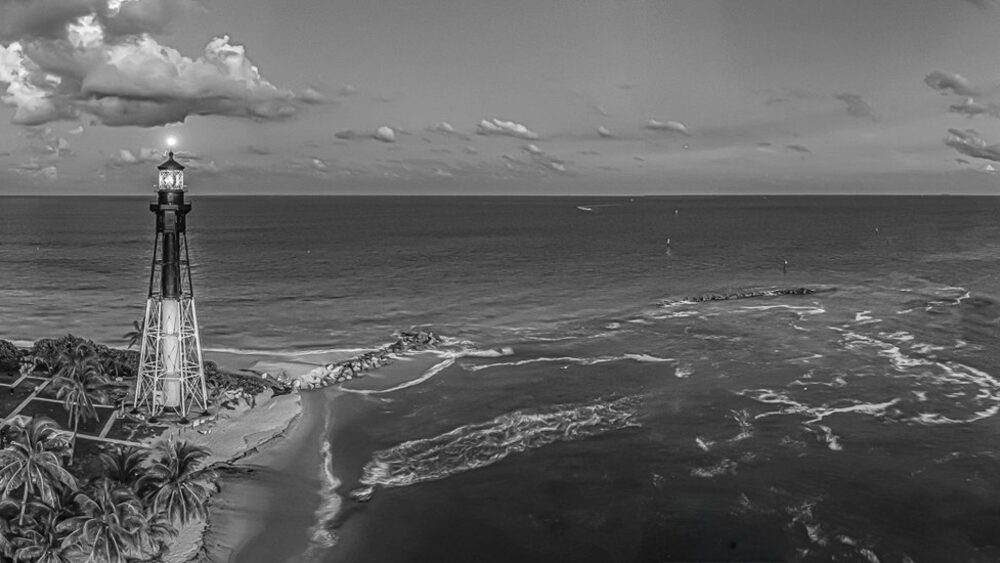
November 3, 2026
Custom Picture Framing: How to Frame a Print Properly
Mat, glazing, backing and hanging: what actually goes into custom picture framing, and how to get a print framed to last.
Read story