 Easy Signs Inc.
The Easy Signs journal
Choosing the Right Custom Poster: A Refined Buyer’s Guide
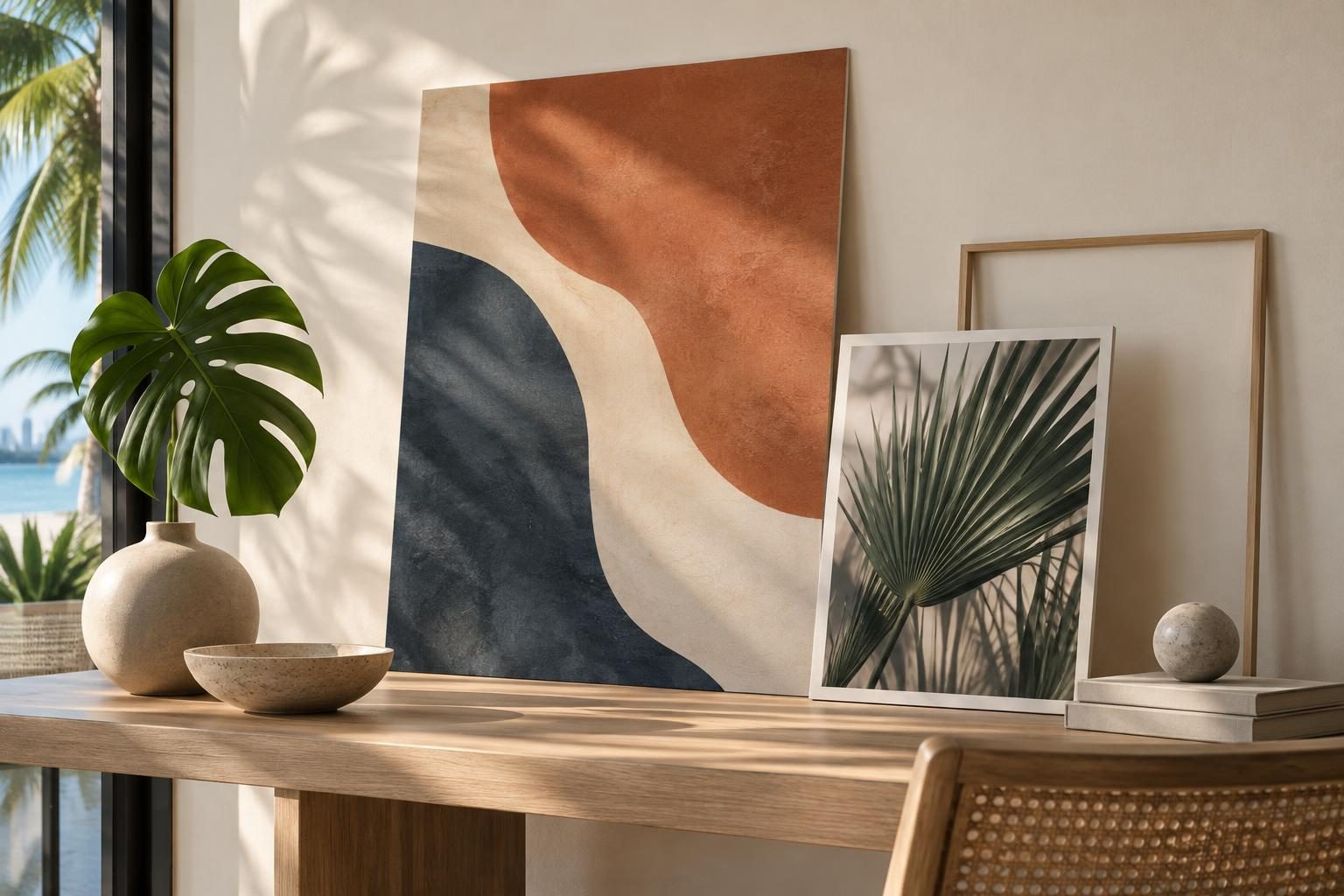
A well-chosen poster does more than fill an empty wall. It establishes a mood, brings an announcement into focus, or gives an image the presence it deserves. The most successful choice begins not with the largest format or the boldest color, but with a clear understanding of what the print needs to accomplish.
For South Florida businesses, event organizers, and homeowners, that decision involves a few practical considerations: purpose, scale, artwork, and presentation. Easy Signs Inc.’s Posters Print service offers custom posters in a variety of sizes, with full-color printing, sharp detail, and rich color. This guide explains how to shape those possibilities into a considered purchase.
1. Begin with the Poster’s Purpose
Before comparing options, decide what someone should notice first—and what should happen next. An event poster might need to communicate a date and destination. A promotional piece might introduce an offer or reinforce a brand. A poster for home décor may simply invite a longer look.
Each purpose calls for a different visual hierarchy. For an announcement, the essential information should be immediately apparent, with supporting details given less prominence. For an art-led composition, the image can carry most of the weight, while generous margins create a quieter presentation.
Think about the audience’s pace, too. Someone passing a reception desk may give a poster only a moment of attention. A person seated in a waiting area has more time to explore detail. Design for the encounter you expect rather than asking every viewer to stop and study.
If the poster has several competing jobs, identify one primary goal. A clear focal point usually produces a more assured result than a layout in which every element demands equal attention.
2. Choose Size in Relation to the Setting
Size is not an isolated specification. It is a relationship between the print, the surrounding space, and the person viewing it. A poster that feels substantial on a desk may look restrained on a broad wall; a composition suited to close viewing may lose its finer details across a room.
Measure the intended display area before selecting a format. Include nearby furniture, architectural features, and any space needed around the print. A simple paper template can help you judge proportions without relying on imagination alone.
Viewing distance should influence the design as well as the dimensions. Posters intended to be read from farther away benefit from larger essential lettering and fewer secondary details. A close-viewed photographic poster can support a more intricate composition, provided the source image has enough detail for the intended enlargement.
Orientation matters just as much. A vertical format can complement a narrow wall or portrait image, while a horizontal layout may suit a landscape photograph or the space above a console. Avoid choosing dimensions that force an awkward crop of the artwork’s main subject.
Easy Signs Inc. offers a variety of poster sizes. Confirm the available dimensions for your project before finalizing the layout, particularly if you already have a frame or a precisely measured installation area.
3. Give the Artwork Room to Succeed
Sharp printing begins with suitable artwork. A photograph that looks crisp on a phone screen may not retain the same clarity when enlarged. Start with the highest-quality original available, and avoid using a screenshot when you have access to the source file.
Ask whether the file is appropriate for your chosen print size before committing to the order. Resolution requirements depend on the intended dimensions and viewing conditions; a single rule cannot account for every project. This conversation is especially useful when working with older photographs or images downloaded from online platforms.
Color deserves similar care. Screens emit light, while a printed image is viewed by reflected light, so the two can appear different. If a particular brand color or subtle photographic tone is important, explain that priority and ask what color guidance is available.
For layouts containing type, review spelling, dates, contact details, and spacing at a realistic viewing scale. Keep essential content comfortably away from the edges, and request the applicable file-preparation guidance before export. Do not assume particular bleed, margin, or file-format requirements without confirmation.
Restraint often improves the final impression. A disciplined palette, a clear focal image, and well-spaced typography can give a promotional poster the same composure as a carefully selected art print.
4. Consider Materials and Presentation Together
The Posters Print service describes premium materials and durable, full-color results. Those qualities are useful starting points, but the right choice still depends on how and where the poster will be displayed.
Ask which poster material and finish options are available for your intended use. If the display area has strong lighting, discuss how surface reflections might affect visibility. If the poster will be handled or moved, explain that as well. These details help make the conversation specific rather than relying on broad descriptions of quality.
Durability should not be interpreted as confirmation of outdoor suitability. For a location exposed to rain, direct sun, or changing conditions, ask whether a poster is appropriate or whether an outdoor sign would better meet the brief.
Presentation can also change the character of the piece. A frame gives the image a defined boundary and may help it relate to the room’s furnishings. Explore picture frames and mouldings if a framed presentation is part of your plan, and coordinate the print dimensions before purchasing either component.
5. Prepare a Clear Ordering Brief
A concise brief makes it easier to discuss the right option without overlooking practical details. Before contacting Easy Signs Inc., gather the essentials:
- The poster’s purpose and intended display location.
- Your preferred dimensions, orientation, and quantity.
- The best available artwork file.
- Any framing plans and your required date.
Use that brief to confirm available choices, artwork suitability, pricing, and scheduling before placing the order. If you are still deciding between formats, explain the result you want rather than guessing at technical specifications.
Serving South Florida, Easy Signs Inc. brings fine-art printing, custom framing, and sign services into one conversation. Visit our showroom at 4860 N. Dixie Hwy, Oakland Park, FL 33334, or contact us at (954) 495-4344 or support@easysignsinc.com to discuss your poster.
Keep your ideas growing
More from the journal.

November 4, 2026
Giclee Printing: What Makes a Fine Art Print Archival
What makes a giclee print archival: pigment inks, colour depth and fine art papers, explained by Easy Signs Inc. in Oakland Park, Florida.
Read story
November 4, 2026
Custom Wall Art: Choosing a Material That Suits Your Room
Canvas, acrylic, aluminum, wood or paper: how to choose custom wall art that suits your room, your light and the way you live.
Read story
November 3, 2026
Custom Picture Framing: How to Frame a Print Properly
Mat, glazing, backing and hanging: what actually goes into custom picture framing, and how to get a print framed to last.
Read story