 Easy Signs Inc.
The Easy Signs journal
Printing On Wood: A Guide to Material, Process, and Applications
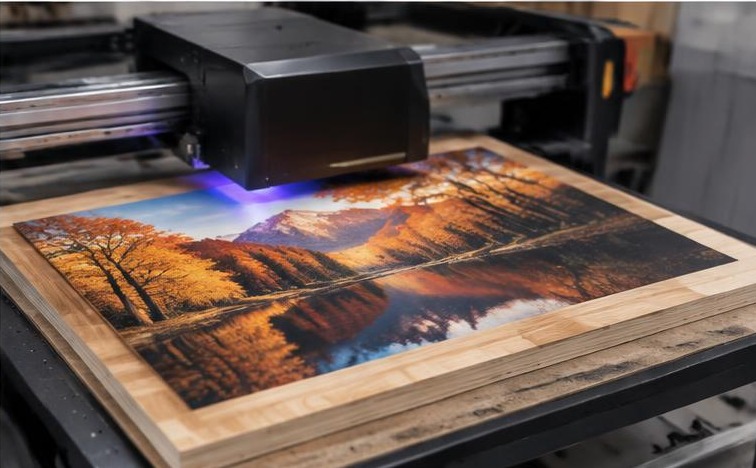

Printing on wood offers a distinctive aesthetic, blending the natural warmth of wood with the precision of modern printing technology. This method allows for the creation of unique signs, art pieces, and decor items that stand out. Whether for a rustic-themed business or a desire for a natural touch in your space, understanding the process is key to achieving optimal results.
Key points
- Printing on wood combines natural material with modern printing techniques.
- Wood selection (hardwood vs. softwood) impacts the final texture and appearance.
- Surface preparation is essential for ink adhesion and color vibrancy.
- UV printing is a common method, offering durability and vibrant colors.
- Applications range from business signage and decor to personalized art.
- Durability depends on materials, process, and protective coatings.
Understanding the Wood Medium
The success of printing on wood begins with selecting the right material. Different wood species offer varying textures, grain patterns, and color bases, which can significantly influence the final printed image. Hardwoods like maple or birch often provide a smoother surface, ideal for detailed prints where the wood grain can be a subtle, integrated part of the design. Softer woods, such as pine, may have more prominent grain, lending a more rustic or textured appearance. The preparation of the wood surface is also crucial. It typically involves cleaning, sanding to ensure smoothness, and sometimes the application of a primer or sealant to create a uniform base for the ink, preventing excessive absorption and ensuring color vibrancy. The natural variations in wood mean that each printed piece will be inherently unique, a characteristic that is often a primary draw for this printing method.
The Printing Process Explained
Printing on wood commonly utilizes either direct UV printing or a transfer method. UV printing involves applying UV-curable inks directly onto the prepared wood surface. These inks are then instantly cured by ultraviolet light, creating a durable, water-resistant layer. This method is efficient and can produce vibrant, high-resolution images. The inks sit on the surface, allowing the wood’s natural texture to be felt. Alternatively, some processes might involve printing onto a special transfer paper and then using heat and pressure to adhere the image to the wood. This can sometimes offer a different finish, potentially a more embedded look depending on the specific technique. The choice of printing method impacts the final look and feel, including the glossiness or matte finish, and the overall longevity of the print. Considerations for outdoor signs might necessitate more durable, weather-resistant inks and finishes.
Applications and Versatility
The applications for printing on wood are extensive. Businesses can leverage this medium for unique outdoor signs that convey a natural or artisanal brand identity. This can include reception signage, directional markers, or decorative elements for storefronts. For interior spaces, printed wood panels can serve as custom wall murals printing, offering a warm and organic alternative to traditional materials. Acrylic logo signs provide a modern contrast, but wood printing offers a different, earthy appeal. Beyond commercial use, individuals often opt for printing on wood for personalized art pieces, custom photo displays, or unique home decor items. The material’s inherent beauty makes it suitable for a wide range of aesthetic preferences, from minimalist to rustic. Even in contexts where materials like aluminum or vinyl printing are common, wood offers a distinct tactile and visual dimension. Products like car magnets or vinyl die cut letters serve functional purposes, but printing on wood leans more towards aesthetic statement pieces.
Durability and Care
The durability of prints on wood depends on several factors, including the quality of the wood, the inks used, the printing method, and any protective coatings applied. UV-printed surfaces are generally quite robust, resistant to scratching and fading, especially when used indoors. For applications exposed to the elements, such as outdoor signs, additional protective lacquers or sealants are often recommended to guard against moisture, UV radiation, and temperature fluctuations. Proper care involves gentle cleaning methods. Avoid abrasive cleaners or excessive moisture, which can damage the wood or the printed layer. Routine dusting with a soft cloth is usually sufficient for indoor pieces. For outdoor installations, periodic inspection and reapplication of protective coatings may be necessary to maintain the print’s integrity over time.
Common questions
What types of wood are best for printing?
Hardwoods like maple and birch are often preferred for their smooth surfaces, which allow for high-detail prints. Softer woods such as pine can also be used, offering a more pronounced grain for a rustic effect.
How is printing done on wood?
The most common methods are direct UV printing, where inks are applied and cured instantly with UV light, or a transfer process involving heat and pressure to adhere a printed image to the wood.
Is printing on wood durable?
Durability varies based on the wood, inks, and printing method. UV-printed wood is generally robust, especially indoors. Outdoor applications benefit from protective coatings to enhance weather resistance.
What are the main uses for printed wood?
Applications include custom signage for businesses, interior decor like wall murals, art pieces, and personalized photo displays. It offers a natural, unique aesthetic.
Keep your ideas growing
More from the journal.

November 4, 2026
Giclee Printing: What Makes a Fine Art Print Archival
What makes a giclee print archival: pigment inks, colour depth and fine art papers, explained by Easy Signs Inc. in Oakland Park, Florida.
Read story
November 4, 2026
Custom Wall Art: Choosing a Material That Suits Your Room
Canvas, acrylic, aluminum, wood or paper: how to choose custom wall art that suits your room, your light and the way you live.
Read story
November 3, 2026
Custom Picture Framing: How to Frame a Print Properly
Mat, glazing, backing and hanging: what actually goes into custom picture framing, and how to get a print framed to last.
Read story