The Easy Signs journal
Understanding the Factors Influencing Printing On Wood Costs
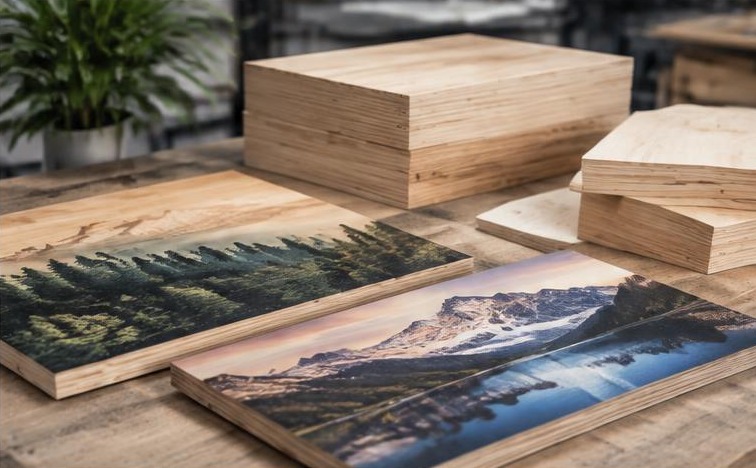

Printing on wood offers a unique and natural aesthetic for signage and decorative pieces. While the appeal is clear, understanding what goes into the cost of custom wood prints is crucial for budgeting. Several factors influence the final price, from the type of wood used to the intricacy of your design and the quantity you need.
Key points
- Wood type and surface preparation significantly influence printing costs.
- Design complexity, color usage, and size directly impact the price of wood prints.
- Finishing options for durability and aesthetics add to the overall expense.
- Quantity is a key factor; higher volumes typically lower the per-unit cost.
- Understanding these elements helps in accurately budgeting for custom wood printing projects.
Wood Material and Preparation
The type of wood selected is a primary cost driver for printing on wood. Different species have varying costs associated with their sourcing, quality, and grain patterns. For instance, hardwoods might be more expensive than softer woods. Beyond the species, the preparation of the wood surface is vital. This can include sanding to create a smooth finish, sealing to prepare it for ink adhesion, or even special treatments to enhance durability or achieve a particular look. The labor and materials involved in these preparation steps directly affect the overall price.
Design Complexity and Color
Intricate designs with fine details or complex color gradients can require more sophisticated printing techniques and potentially longer production times, influencing the cost. Simple, bold graphics are often less expensive to produce. The number of colors used also plays a role; full-color prints typically cost more than single-color designs. If your design requires specialized color matching or multiple passes to achieve the desired saturation, this will add to the expense. For businesses considering options like print on aluminum or vinyl printing, similar principles regarding design complexity and color application apply.
Size and Shape of the Print
Larger prints naturally require more material and ink, thus increasing the cost. The dimensions of your wood print are a straightforward factor in calculating the price. Additionally, if your project involves custom shapes that go beyond a simple rectangle or square, requiring precise cutting or routing, this will add to the labor and machine time, thereby increasing the overall cost. This principle of size impacting cost is also relevant for other custom signage like acrylic logo signs or wall murals printing.
Finishing Options and Durability
The post-printing treatment of your wood sign can significantly affect its final price. Options such as protective coatings, varnishes, or sealants are applied to enhance durability, protect against UV fading, or provide a specific sheen (matte, satin, or gloss). These finishes not only add to the material cost but also involve an additional labor step. For outdoor signs, robust protective finishes are essential and will contribute to a higher price point compared to indoor applications. Similarly, finishes for car magnets or outdoor signs made from different materials will have their own cost implications.
Quantity and Production Volume
As with most custom printing services, the quantity of prints ordered typically affects the per-unit cost. Ordering a larger volume of wood prints often leads to a lower price per item due to economies of scale in setup, material purchasing, and production efficiency. Conversely, ordering a single, custom wood piece will generally have a higher per-unit cost. This inverse relationship between quantity and unit price is a common consideration across various printing services, including vinyl die cut letters and large-scale wall murals printing.
Common questions
What is the main factor affecting printing on wood costs?
The type of wood, design complexity, size, finishing, and quantity are all significant factors influencing the cost of printing on wood.
Does the size of the wood print change the price?
Yes, larger prints require more material and ink, which directly increases the overall cost compared to smaller prints.
How does the complexity of the design impact the price?
More intricate designs with fine details or a wider color palette may require specialized printing techniques and more time, potentially leading to a higher cost than simpler graphics.
Are there additional costs for protective finishes?
Yes, applying protective coatings or varnishes to enhance durability and appearance adds to the material and labor costs, impacting the final price.
Does ordering more prints reduce the cost per item?
Generally, ordering a larger quantity of wood prints results in a lower cost per item due to production efficiencies and bulk material purchasing.
Keep your ideas growing
More from the journal.
October 23, 2026
Understanding the Factors Influencing Print on Aluminum Costs
Explore the key elements that determine the cost of printing on aluminum for your business signage needs. Learn about material, size, complexity, and finishing…
Read story
October 20, 2026
Choosing an Oakland Park, FL Print on Aluminum Provider for Your Business
Learn how to select the right provider for print on aluminum signs in Oakland Park, Florida. Discover factors like quality, turnaround time, and customer servic…
Read story
October 19, 2026
Oakland Park Business Signage: Preparing Outdoor Signs for Severe Weather
Protect your Oakland Park business’s outdoor signs from high winds and storms. Learn about wind ratings, mounting inspections, and essential storm preparation f…
Read story